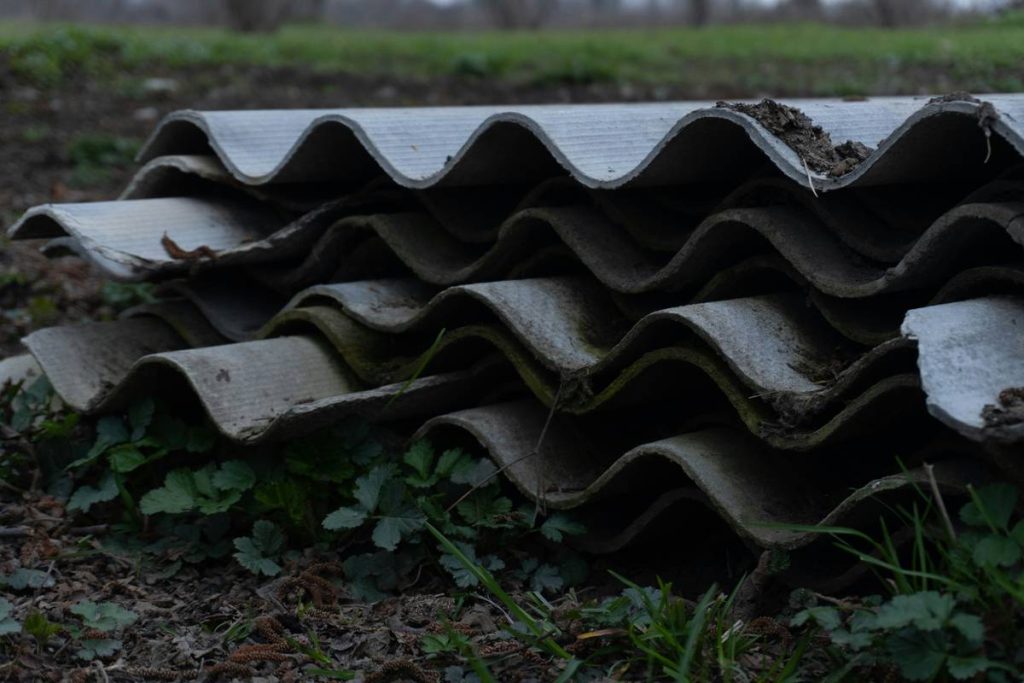
If you own a commercial property built before the 1980s—or manage one—you’re sitting on a potential legal and financial time bomb. Asbestos isn’t just a health hazard; mishandling it can void your insurance, trigger six-figure fines, and sink your personal finances faster than a high-interest credit card balance. I learned this the hard way when I assumed my general liability policy covered asbestos abatement during a renovation—only to be denied after spending $28,000 on cleanup. This guide cuts through the jargon to show you exactly how asbestos compliance guideline coverage protects your wallet, your assets, and your peace of mind.
Table of Contents
- Why Asbestos Compliance Matters for Your Finances
- Your Step-by-Step Guide to Securing Coverage
- 5 Best Practices to Maximize Protection
- Real Cases: When Coverage Saved (or Sank) Businesses
- Frequently Asked Questions
Key Takeaways
- Standard property or liability insurance rarely covers asbestos removal unless explicitly added.
- Federal regulations (EPA, OSHA) require strict handling protocols—non-compliance voids most policies.
- Specialized environmental impairment liability (EIL) policies are often needed for full protection.
- Documenting compliance efforts is as critical as purchasing coverage itself.
Why Asbestos Compliance Matters for Your Finances
Asbestos was banned in new construction by the EPA in 1989, but millions of buildings still contain it in insulation, tiles, and pipe wrap. If disturbed during renovations or demolitions, fibers become airborne—posing serious health risks and triggering mandatory remediation. Here’s where personal finance collides with legal compliance: cleanup costs average $20–$30 per square foot (U.S. Environmental Protection Agency). Without proper insurance, that’s coming straight out of your savings or business capital.

Worse, many property owners mistakenly believe their standard insurance includes asbestos coverage. It almost never does—unless you’ve secured an endorsement or standalone policy that aligns with current asbestos compliance guideline coverage standards. Ignorance isn’t just dangerous; it’s expensive.
Your Step-by-Step Guide to Securing Coverage
1. Confirm Asbestos Presence
Hire a certified inspector (not a contractor with a side hustle in testing). The ASTM E2356 standard outlines proper assessment protocols. Skipping this step risks underestimating exposure—and overpaying for unnecessary coverage.
2. Review Your Existing Policies
Check exclusions in your commercial general liability (CGL) or property policy. Most exclude “pollutants,” which legally includes asbestos. Don’t rely on verbal assurances from your agent—read the fine print.
3. Obtain Specialized Environmental Insurance
Environmental Impairment Liability (EIL) policies cover asbestos abatement, third-party claims, and regulatory fines. According to the Insurance Information Institute, these policies have grown 12% annually since 2020 due to rising enforcement.
4. Align with Federal and State Guidelines
Your coverage must mirror OSHA’s 29 CFR 1926.1101 and EPA’s NESHAP rules. Non-compliant work—even if insured—can lead to claim denials. Document every step: training certificates, containment logs, disposal manifests.
5. Update Annually
Laws change. So do insurer requirements. Re-evaluate your asbestos compliance guideline coverage every 12 months, especially if you acquire new properties.
5 Best Practices to Maximize Protection
- Never assume “old” policies suffice. A policy issued in 2018 may not reflect 2024 EPA enforcement priorities.
- Bundle with contractor vetting. Require subcontractors to carry their own asbestos liability coverage—and verify it.
- Keep compliance records for 30+ years. Asbestos-related lawsuits can emerge decades later.
- Avoid the “cheap quote” trap. A $500 premium saving today could cost $250,000 tomorrow if coverage gaps exist.
- Link coverage to project phases. Demolition? Renovation? Each triggers different compliance thresholds.
Real Cases: When Coverage Saved (or Sank) Businesses
In 2022, a Chicago property manager discovered asbestos during HVAC upgrades. Because they’d purchased an EIL policy aligned with asbestos compliance guideline coverage, their insurer covered $187,000 in remediation—minus a $10,000 deductible. Contrast that with a Texas landlord who skipped documentation: his claim was denied after inspectors found unsealed waste bags, violating TCEQ rules. He paid $94,000 out of pocket.
These aren’t outliers. The National Institute for Occupational Safety and Health reports that 40% of small commercial property owners face unexpected asbestos costs—and only 22% have adequate insurance. That gap turns manageable expenses into financial emergencies.
Frequently Asked Questions
Does homeowners insurance cover asbestos removal?
Almost never. Homeowners policies typically exclude pollutants like asbestos unless added via a costly rider. Even then, coverage usually applies only to sudden, accidental release—not planned renovations.
What is the minimum asbestos compliance guideline coverage required by law?
Federal law doesn’t mandate specific insurance—but it does require safe handling under EPA and OSHA rules. Many states (like California and New York) require proof of financial responsibility (i.e., insurance) before issuing demolition permits.
Can I be personally liable if my business lacks asbestos coverage?
Yes. If your LLC or corporation fails to comply with abatement laws, courts can “pierce the corporate veil” and go after your personal assets—especially if negligence is proven.
How much does specialized asbestos insurance cost?
Premiums range from $1,200 to $15,000 annually, depending on property size, location, and risk exposure. Compare quotes through brokers specializing in environmental liability—they understand the nuances better than general agents.
Where can I verify current asbestos regulations?
Start with the EPA’s Asbestos website (epa.gov/asbestos) and OSHA’s standards portal. For state-specific rules, consult your Department of Environmental Protection.
Does GoSalient offer asbestos insurance advice?
We don’t sell insurance—but we help clients navigate compliance complexities. Learn more about our mission on our About Us page, and feel free to Contact Us with questions. Rest assured, your data stays protected under our Privacy Policy.
Mistaking asbestos compliance for a “legal nicety” is like maxing out a credit card with 29% APR—painful, avoidable, and entirely preventable. Secure your coverage, document relentlessly, and sleep knowing your assets won’t vanish in a cloud of invisible fibers.
No fiber left behind—only liabilities avoided.