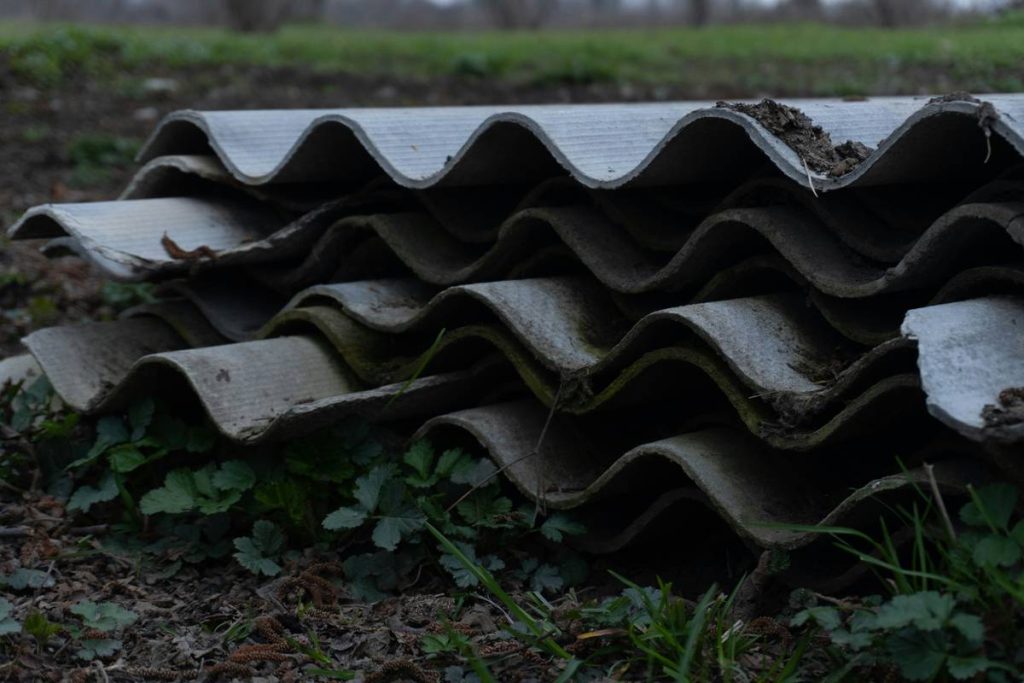
You’re not just managing risk—you’re dodging six-figure fines, lawsuits, and reputational ruin. Yet most asbestos regulation adherence plans gather dust in compliance binders while real hazards fester in aging infrastructure. The problem isn’t intent. It’s execution. Here’s how to fix it—permanently.
Why Generic Compliance Templates Fail Miserably
Slapping together a boilerplate asbestos management plan from a free OSHA template? Good luck. Regulators don’t care about your 30-page PDF if workers are still drilling into pipe insulation without testing.
Real-world gaps show up fast: outdated inventories, untrained supervisors, missing air monitoring logs. And when EPA inspectors arrive—often without notice—they’ll cite you for what’s *missing*, not what’s printed.
The truth? Most “plans” ignore site-specific variables: building age, occupancy patterns, contractor turnover. They’re static documents, not living protocols. That’s why enforcement actions spike during renovations—not initial assessments.
Building Your Custom Asbestos Regulation Adherence Plan: A Field-Tested Framework
Forget theory. This is the checklist field managers actually use:
Step 1: Conduct a Dynamic Hazard Inventory
Static surveys expire the moment you hang new drywall. Your inventory must update with every renovation permit pulled. Tag suspect materials using QR-coded labels linked to cloud-based logs.
Step 2: Train Beyond the Minimum
OSHA requires 2 hours of awareness training. Smart firms deliver quarterly scenario drills—like “What if a demolition crew hits vermiculite insulation?” Knowledge decays; competence must be reinforced.
Step 3: Integrate Insurance Triggers
Your general liability policy won’t cover latent asbestos exposure claims. You need pollution legal liability (PLL) insurance with explicit ACM (asbestos-containing material) endorsements—and proof of active compliance as a condition of coverage.

Step 4: Document Everything in Real Time
Paperwork created after an incident is worthless. Use mobile apps that timestamp photos, air readings, and worker sign-offs during abatement. Courts trust digital chains of custody—not retrofitted Excel sheets.
| Compliance Approach | Upfront Cost | Ongoing Risk Exposure | Insurance Premium Impact |
|---|---|---|---|
| DIY Template + Annual Review | $0–$500 | Very High | Premiums increase or coverage denied |
| Third-Party Consultant (One-Time) | $2,000–$8,000 | Moderate | Limited underwriting benefit |
| Integrated Asbestos Regulation Adherence Plan + PLL Insurance | $5,000–$15,000/year | Low | Qualifies for premium credits & broader coverage |

The Industry Secret No One Talks About
Here’s what insurers won’t tell you: they’d rather pay for prevention than claims. Some carriers now offer free compliance audits if you bundle ACM insurance with their commercial property policy. Why? Because catching one unmanaged ceiling tile before demo saves them $2M in future litigation.
But—and this is critical—you must prove operational adherence, not just paperwork. That means linking training records, air test results, and work permits into a single auditable stream. Manual silos = automatic denial.
Think about it: your “compliance plan” isn’t for regulators. It’s your bargaining chip with underwriters. Weak documentation = high premiums. Robust, real-time tracking = leverage.
Frequently Asked Questions
Is an asbestos regulation adherence plan legally required?
Yes—for commercial buildings constructed before 1981 undergoing renovation, demolition, or maintenance where ACM disturbance is possible. Residential properties with four or fewer units are exempt.
Does general liability insurance cover asbestos claims?
Almost never. Standard policies exclude “pollutants.” You need specific pollution legal liability (PLL) or environmental impairment liability (EIL) coverage with asbestos endorsements.
How often should the plan be updated?
Immediately after any structural modification, change in building use, or discovery of new ACM. Annual reviews are the bare minimum—real-time updates prevent violations.